
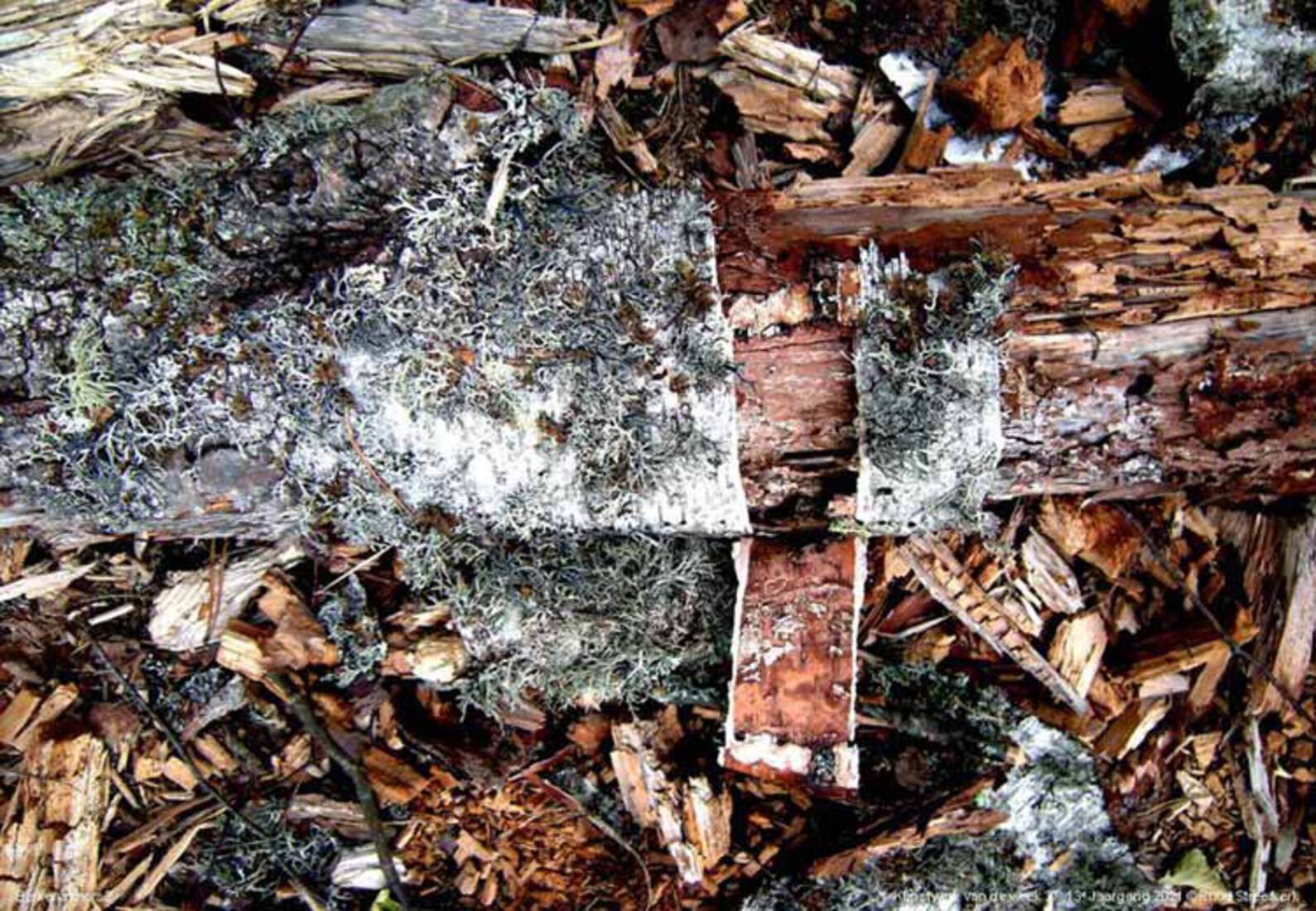
The outer layer the bark of a birch is constantly renewing itself and sometimes comes off into thin strips. These strips have a great endurance towards decay because the bark contains Betulin. This enables to make all kinds of sustainable products from it. The Sami and North American Indians made canoes, shoes, leg-coverings and even coats from it. In both America and Scandinavia the bark was also used as a roofing material because it is light, water-repellent and very durable. From narrow, braided bars, also bags and baskets were made. These strips of thin bark are extremely suitable for use as a fire starter, even when wet. The bark was also used in prehistoric times, some 48,000 years ago, to produce birch-pitch, a type of glue. In Northern Europe and Siberia, the birch was worshipped as a sacred tree. It is the tree of wisdom, light and new spring and of renewal in general. The Germans attributed magical and medicinal properties to its leaves, twigs and sap and believed that birches formed the earthly dwelling-place of the goddess Freya. Among the Celts, the birch is dedicated to Brigit, goddess of poetry, divination and medicine.